

Verified Architecture [SEC_ARCH_01]

Data Fortification Standards

A comprehensive guide to the architectural integrity and regulatory compliance required for modern employee self service ecosystems. Security is not a feature layered on top; it is the ground on which the portal is built.

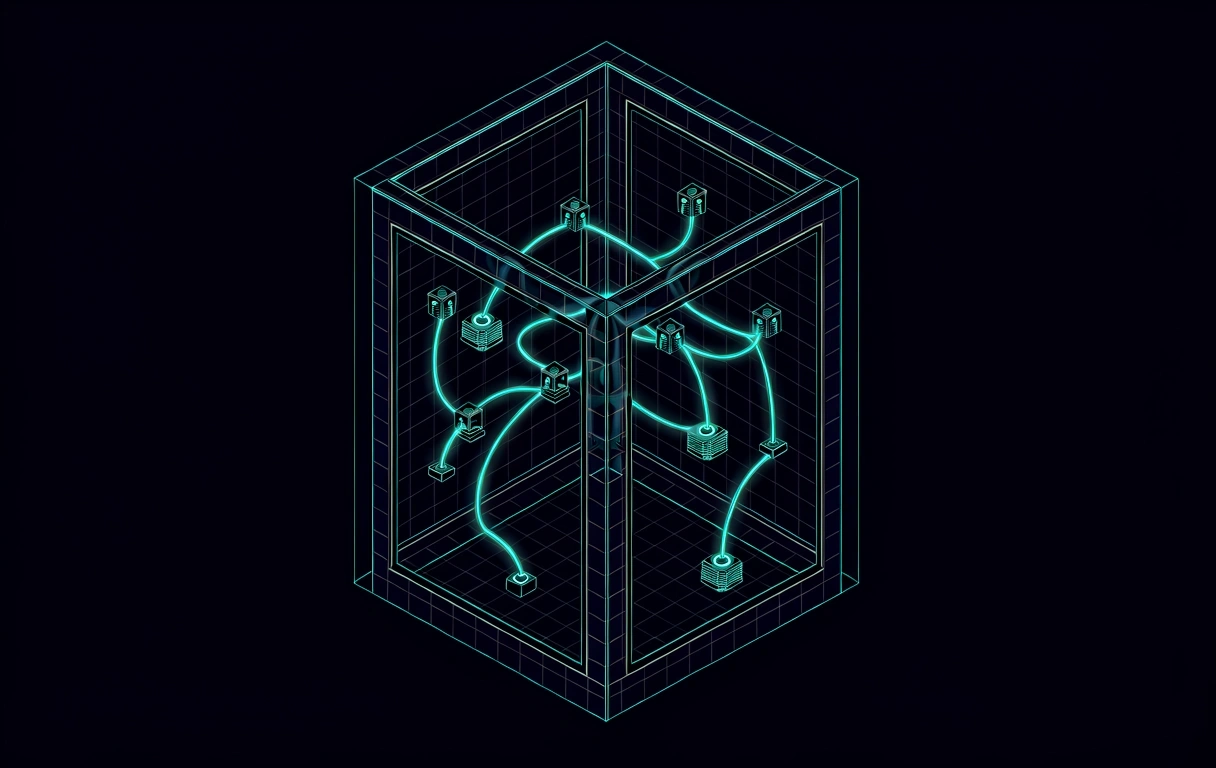
Digital security architecture schematic
Foundation 01

Engineered for Perpetual Compliance.

Security within an employee self service portal is a matter of legal survival. We document the alignment between portal architecture and global regulatory frameworks.

GDPR Compliance

Implementation of Right to Erasure, Data Portability, and mandatory breach notification protocols within the portal core.

  • Zero-Knowledge Logging
  • Automated Consent Revocation

SOC2 Readiness

Structural controls designed for Trust Services Criteria, ensuring availability, processing integrity, and confidentiality.

  • Continuous Monitoring
  • Cryptographic Access Control

HIPAA Support

Strict isolation of Protected Health Information (PHI) within benefits enrollment and medical document modules.

  • End-to-End Encryption
  • Dedicated PHI Storage Nodes

The Path of Employee Data.

Understanding the movement of sensitive records is essential for corporate governance. Our audits ensure that every byte of information follows a hardened, non-repudiable path from input to archive.

01

Encrypted Input

TLS 1.3 encryption at the portal browser layer before the first packet hits the server.

02

Authorization Hub

RBAC (Role Based Access Control) verification checks permissions against the enterprise directory.

03

Audit Ledger

Immutable recording of the access event into an encrypted sys-log for future compliance reviews.

Data lifecycle flow schematic
Live_Auth_Feed
1024_SHA_ENCRYPTED
Sub_System_Analysis

Systemic Safety Mechanisms

Beyond basic password protection, elite portals implement deep-tech layers that act as a deterrent to both internal misuse and external breach.

Architect's Note

"A secure portal doesn't just store data; it minimizes it. If the employee doesn't need to see the SSH key, the portal shouldn't know it exists."

Granular RBAC Structures

Role-Based Access Control ensures that an administrator in Finance cannot view individual medical leave reasons in HR modules.

Multi-Factor Enforcement

Mandatory MFA integration with enterprise SSO providers (Okta, Azure AD, Ping Identity) to eliminate credential theft risks.

Encrypted Document Vaults

W-2s, payroll slips, and contract PDFs are encrypted using AES-256 both while sitting on the disk and during transit to the user.

Dossier_04

Regulatory Checklist for 2026

Data Residency Requirements

For global enterprises, the physical location of the server hosting employee data is a legal determinant. Modern portal architectures must support territorial data isolation to comply with CCPA (California) and various regional laws.

Guideline: Prioritize vendors who offer localized data centers and transparent audit trails for regional cross-border data flows.

Incident Response Protocols

Compliance is not just prevention; it is the readiness to react. Business owners must ensure their portal provides automated reporting tools that can generate notification lists within the 72-hour window required by many privacy frameworks.

Privacy by Design (PbD)

We advocate for the PbD framework, where privacy settings are at their most restrictive by default. Employees must actively opt-in to data sharing beyond the primary employment contract requirements.

Mandatory Disclosure

Employee Portal Guide provides architectural guidance and serves as an educational resource. We recommendations are based on industry standards but do not constitute legal binding advice or guarantee against breach.

Secure Your Portal Architecture

Download our 2026 Security Assessment Checklist for HR Professionals.

Employee Portal Guide
1818 Oakwood Avenue, Suite 400
Washington, DC 20001, USA

Communication_Port

T: +1-202-559-4429
E: info@myhitesgetys.com
W: Mon-Fri: 9:00-18:00

Authorized Repository for HR Systems Knowledge